In Decor Tips
Why Matching Furniture Sets Rarely Look Designer (And What to Do Instead)
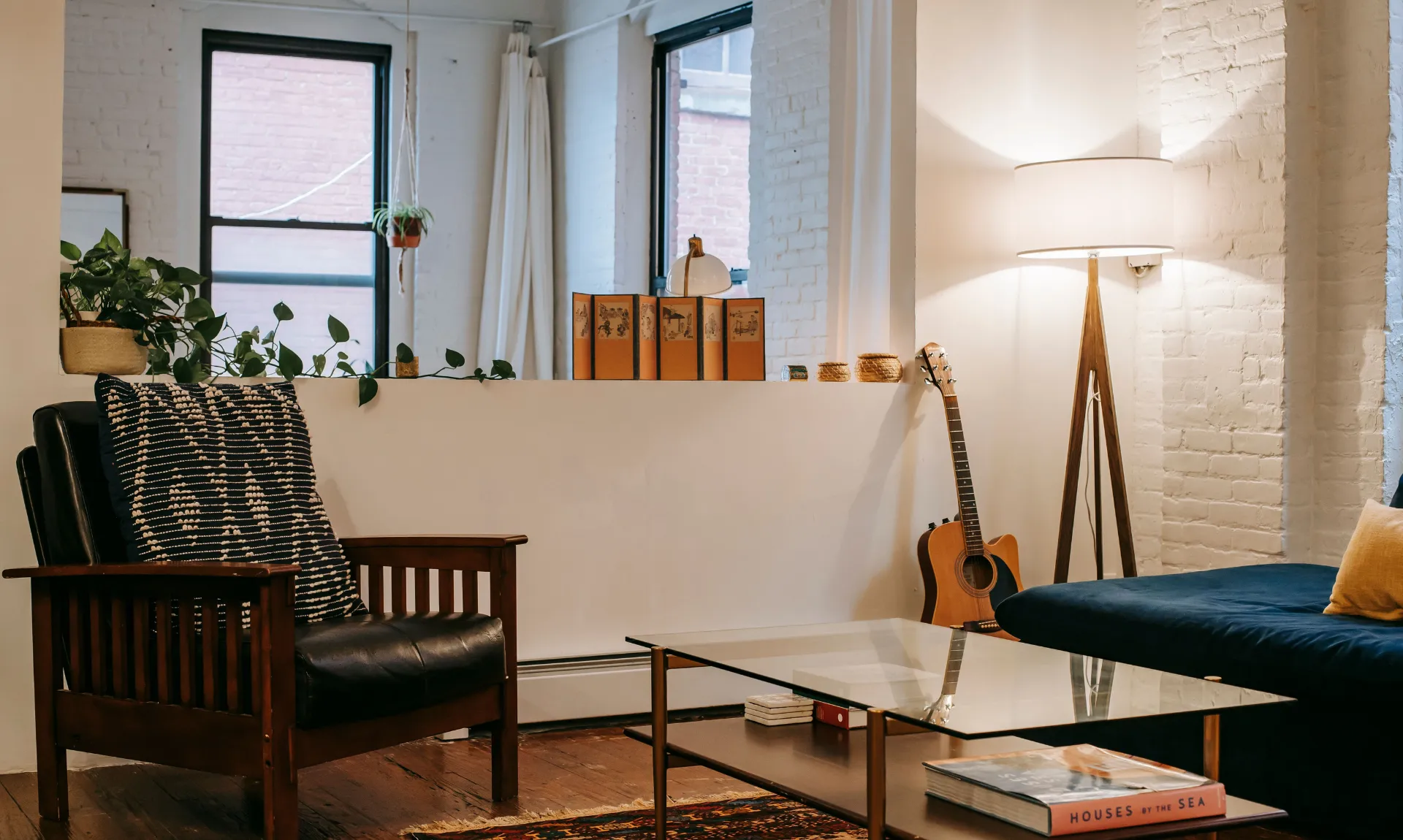
When you're shopping for furniture, buying the complete matching set feels like the obvious thing to do. Everything coordinates, you don't have to worry about mixing styles, and the showroom makes it look absolutely perfect.
So you bring it home.
But after a few days, you start wondering why your living room doesn't have that warm, effortless feel you see in Pinterest photos or designer homes.
If you've ever felt that way, you're definitely not alone.
Here's the thing: matching isn't the same as styling. While matching furniture creates consistency, it can also make a room feel predictable. Interior designers usually aim for something a little different, a space that feels collected over time rather than purchased all at once.
Why perfectly matching furniture can feel a little flat
Our brains naturally enjoy a bit of contrast. When every piece has the same wood finish, identical lines, and matching hardware, there's very little for your eyes to explore. The room starts to feel one-dimensional.
It's a bit like wearing denim from head to toe. There's nothing technically wrong with it, but adding a different jacket, shoes, or accessories usually creates a much more interesting outfit.
The same idea applies to decorating.
A room becomes more inviting when it combines different materials, shapes, and textures while still feeling connected.
What designers do instead
Rather than buying every piece from the same collection, designers usually build a room one layer at a time. That doesn't mean everything is completely different, it simply means each piece has its own purpose.
For example, they might pair:
a warm oak coffee table with a soft linen sofa
black metal shelves with a natural wood TV console
a modern floor lamp beside a vintage side table
woven baskets alongside sleek ceramic décor
Individually, these pieces are different. Together, they create a room that feels balanced and full of personality. That's why designer homes often look effortless, they're designed to feel lived in, not staged.
How to mix furniture without making your room feel chaotic
The idea of mixing furniture can sound intimidating, but it doesn't have to be.
A few simple guidelines make it surprisingly easy:
✔ Repeat a color
If several pieces share similar tones, whether it's black, white, oak, walnut, or brass, they'll naturally feel connected.
✔ Mix textures more than colors
Instead of introducing ten different colors, try introducing different materials.
Think wood, linen, rattan, glass, leather, boucle, or metal.
Texture adds depth without making a room feel busy.
✔ Choose one statement piece
Every room benefits from something that catches your attention first.
It could be a beautiful coffee table, an accent chair, or even an oversized mirror.
Once you have that focal point, the other furniture simply supports it.
✔ Don't try to fill every corner
One mistake many of us make (myself included) is thinking every empty spot needs another table or decorative item.
Sometimes leaving a little breathing room actually makes your furniture look more intentional.
Already bought a matching set? Don't worry.
You definitely don't need to replace everything.
In fact, matching furniture sets are practical, especially if you're decorating your first apartment, moving into a new home, or working with a limited budget.
Instead, think about adding one contrasting element. Some easy ideas include:
swapping the coffee table for a different style
adding a woven accent chair
using table lamps with different bases
introducing vintage décor or thrifted finds
layering textured cushions and throws
incorporating plants to soften the overall look
You'll be surprised how much personality one new piece can bring to an otherwise matching room.
My very personal take as someone whose coworkers are a laptop & a coffee mug
Working from home has made me surprisingly picky about interiors. When your "commute" is a few steps from the bedroom, your space has to do more than just look nice, it has to feel good too!
That's probably why I'm not obsessed with perfectly matching furniture. I'd much rather have a room with a little character than one that looks like I bought the entire showroom. The pieces I love most are usually the ones that don't match, they're the ones that make my home feel like mine.
Continue Reading
If you enjoyed this quick decor tip, you might also like:
Frequently Asked Questions
Is it okay to buy a matching furniture set?
Absolutely. Matching sets are a practical option, especially if you're furnishing a home for the first time or decorating on a budget. The key is adding a few contrasting pieces over time so the room feels more personal.
Can you mix different wood colors in the same room?
Yes. In fact, mixing wood tones often makes a room feel more natural. Just try to keep the undertones similar—for example, warm woods with warm woods or cooler woods with cooler finishes.
How many different furniture styles should you mix?
A good rule is to stick with one main style and introduce one or two complementary influences. Too many styles can make a room feel disjointed, while a little variety keeps it interesting.
What's the easiest way to make matching furniture look more expensive?
Layer in texture. Rugs, cushions, throws, artwork, plants, and unique lighting can instantly make a matching furniture set feel more custom and thoughtfully styled.