In Decor Tips
Why Every Beautiful Room Uses the Rule of Three (And Why It Works So Well)
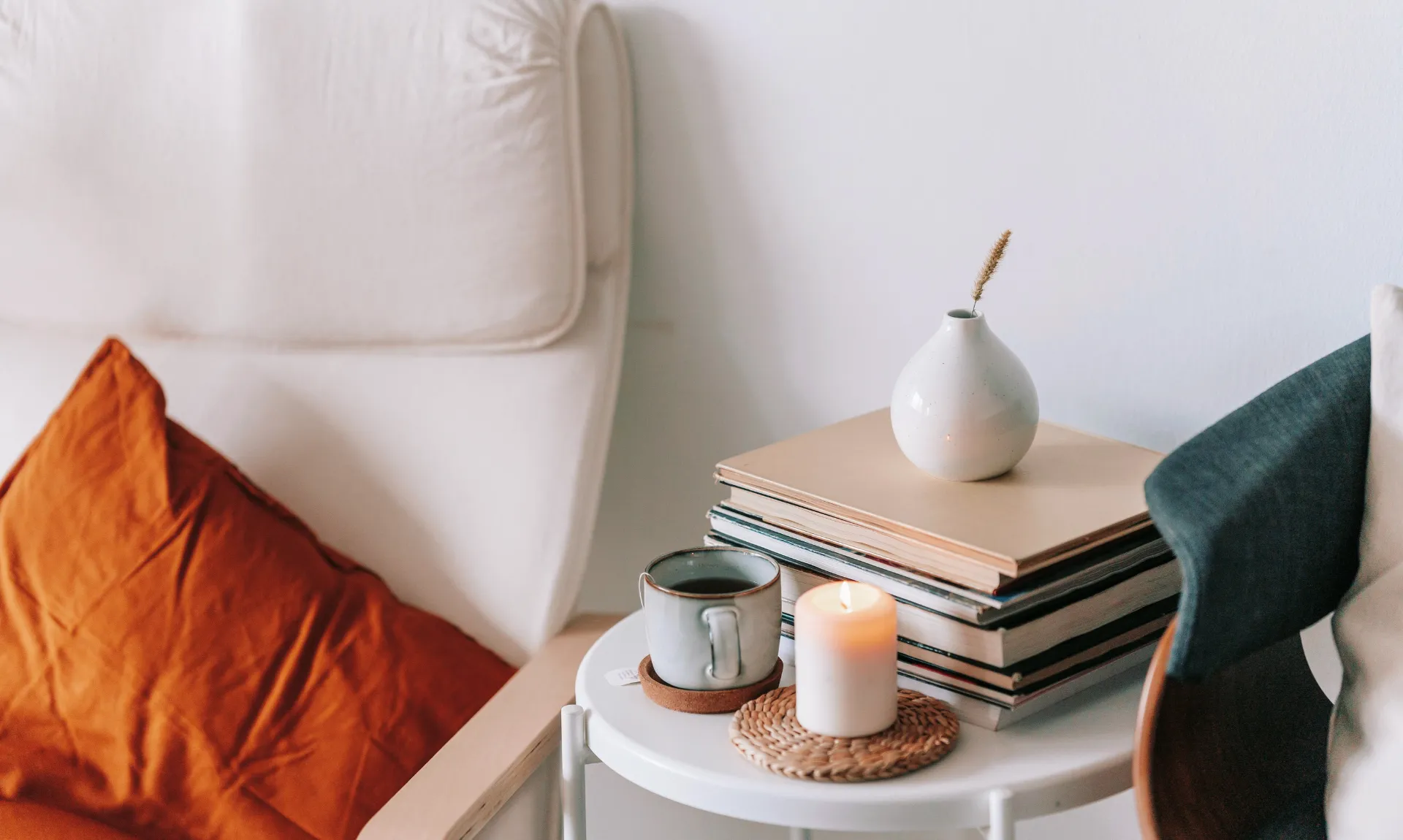
A few years ago, someone pointed out the "Rule of Three" to me, and honestly, I haven't been able to unsee it since.
Now, every time I walk into a beautifully designed room, scroll through Pinterest, or watch an Architectural Digest home tour, I find myself quietly counting things. Three candles. Three pillows. Three pendant lights. Three decorative objects on a shelf.
And once you notice it, you'll realize that some of the most beautiful rooms you've ever seen are secretly following one of the simplest interior design principles out there: the Rule of Three.
The best part?
You don't need to hire an interior designer or spend thousands of dollars to use it.
What Is the Rule of Three in Interior Design?
The Rule of Three is a decorating principle that suggests objects arranged in groups of three tend to feel more balanced, visually appealing, and interesting than objects arranged in pairs or larger groups.
Apparently, our brains just really like the number three.
Think about it:
One object can feel lonely.
Two objects often compete with each other.
Three objects create balance while still feeling dynamic.
This is why designers use the Rule of Three constantly without necessarily talking about it. The goal isn't perfection. The goal is to create enough visual interest to make a space feel intentional.
Why Does the Rule of Three Work So Well?
I know this sounds like one of those random design rules someone invented to sell coffee table books, but there's actually some psychology behind it.
Groups of three naturally create:
✓ a focal point
✓ visual balance
✓ movement for the eye
✓ enough variety without creating clutter
And honestly, I think that's why so many Pinterest rooms feel so satisfying to look at. They're giving our brains just enough information to stay interested without becoming overwhelmed.
Once You Know About It, You'll Start Seeing It Everywhere
Seriously. You will.
Some of the most common places where designers use the Rule of Three include:
Coffee tables
Try grouping:
a stack of books
a candle
a decorative object
Suddenly, your coffee table looks styled rather than accidental.
Nightstands
One of my favorite combinations is:
a lamp
a book
a small plant or candle
And somehow, your bedside table starts looking like the bedside table of someone who has their life together.
Floating shelves
Floating shelves are practically built for the Rule of Three.
Try combining:
framed art
ceramics
plants
The different heights and textures create balance without making the shelf feel crowded.
Kitchen islands
Have you ever noticed how one pendant light often looks unfinished? And two pendant lights sometimes look strangely formal?
Then someone installs three pendant lights, and suddenly everything makes sense. There's a reason interior designers keep coming back to this arrangement.
Gallery walls
Instead of hanging one large artwork or trying to create a massive gallery wall immediately, consider grouping:
one larger piece
two smaller pieces
This often feels more intentional and easier to style.
The Biggest Mistake People Make With the Rule of Three
Here's where I think many of us misunderstand this decorating principle.
The Rule of Three does not mean buying three identical objects and placing them next to each other. In fact, that's usually the fastest way to make a room feel staged.
Instead, think about mixing:
different heights
different textures
different materials
similar color tones
For example, instead of:
❌ Three identical white candles
Try:
✅ One tall vase
✅ One medium-sized candle
✅ One stack of books
The arrangement immediately feels more natural and interesting.
My Favorite Way to Use the Rule of Three
Personally, I love using this rule on bedside tables. Maybe it's because bedside tables are one of the easiest places to accidentally create clutter.
My ideal setup usually includes:
a lamp for warmth
a book I'm pretending I'll finish soon
a candle or small plant
It's practical. It looks intentional. And perhaps most importantly, it stops me from using the entire surface to store random receipts and charging cables.
Does the Rule of Three Always Work?
Honestly? No.
Some of the most beautiful homes I've ever seen break every decorating rule imaginable. But if you've ever stood in front of a shelf, a coffee table, or a corner of your room and thought:
"Why does this still look wrong?"
The Rule of Three is one of the easiest things to try first, because at its core, it isn't really about following a rule. It's about creating balance.
Quick Rule of Three Cheat Sheet
Use groups of three when styling:
coffee tables
nightstands
floating shelves
kitchen islands
media consoles
gallery walls
entryway tables
Mix:
✓ heights
✓ textures
✓ materials
✓ shapes
Avoid:
✗ identical objects
✗ perfect symmetry
✗ overcrowding
✗ too many focal points
Final Thoughts
The Rule of Three isn't one of those decorating rules you need to follow religiously. In fact, some of the best homes break design rules all the time.
But if you've ever looked at a shelf, a coffee table, or a bedside table and felt like something was missing, this is probably one of the easiest decorating tricks to try first.
And honestly, I think that's why this rule has survived for so long. It's simple. It's flexible. And it helps create spaces that feel balanced without looking overly designed.
So the next time you're styling a room and something feels slightly off, try adding a third object. You might be surprised by how much difference one small change can make.