In Rooms
Timeless Kitchen Design: 10 Designer Rules That Will Save You From Costly Remodeling Mistakes
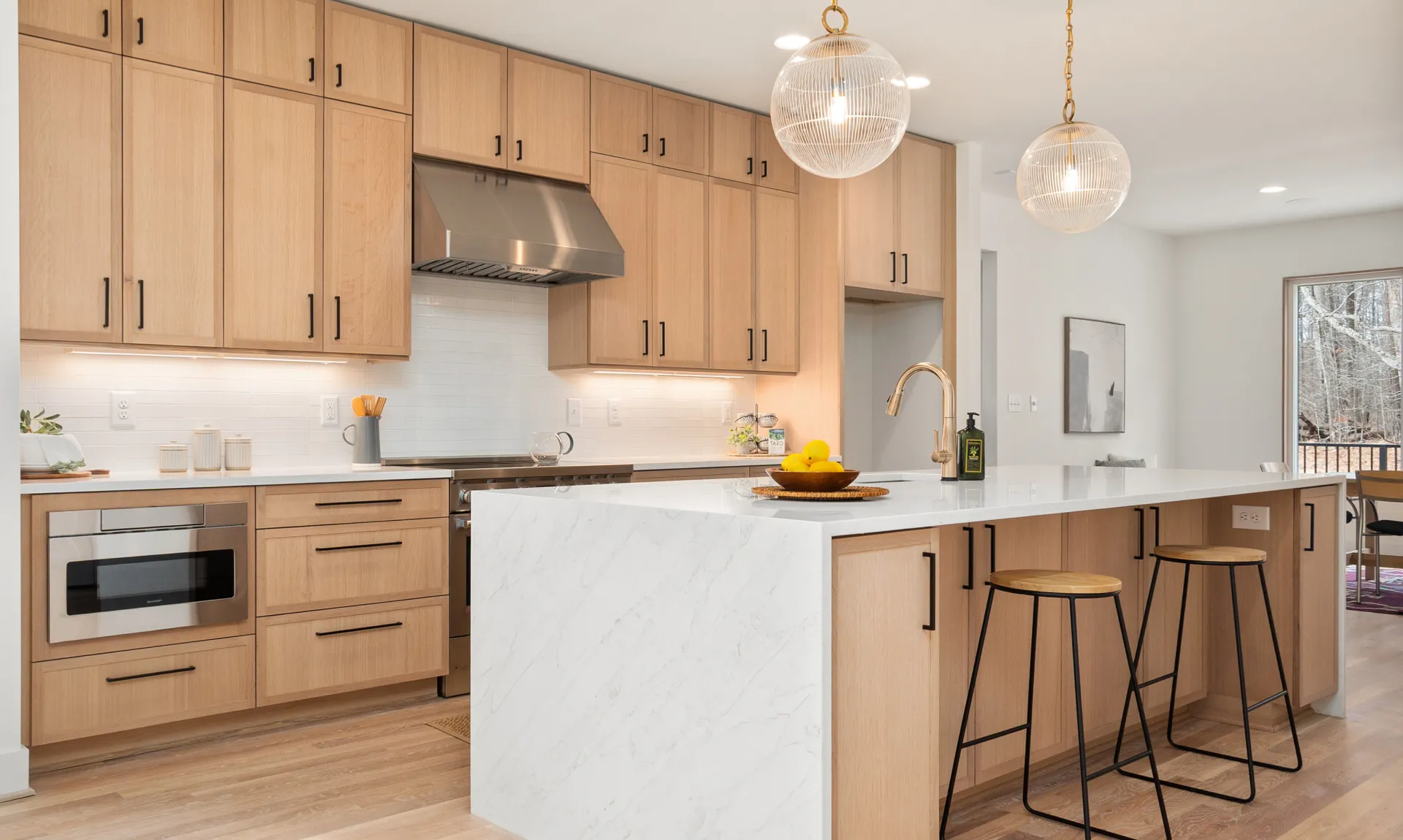
If there's one room in the house where trends can become expensive mistakes, it's the kitchen.
Think about it: you got the wrong paint color? Change it! The trendy sofa doesn’t look so trendy? Change it! But once you set cabinets, countertops, backsplashes, and appliances in your kitchen and your innocent designer soul tells you it doesn’t look that good, the way back is quite hard!
The investments in your kitchen are the trickiest because you want them to last, even after the Pinterest post that inspired you in the first place has disappeared.
Lately, I've been paying less attention to what's trending and more attention to what lasts. I found myself saving photos of kitchens that weren't necessarily brand new; some were five, ten, even fifteen years old. Somehow, they still looked fresh. They didn't scream for attention, yet they were impossible to forget.
While researching timeless kitchens, I came across a conversation with interior designer Nina Takish, who summed it up perfectly:
"Timeless isn't boring. It's the art of balance."
Now, if you give it a thought, you will realize that kitchens that stand the test of time aren't built around trends. They're built around thoughtful decisions. You need to have a balance! Anyway, I have carefully curated blog post with 10 simple but designer-inspired rules, so that when you think about designing your kitchen or remodelling it, you have a reliable place to get all the guidance!
Rule 1: Stop Asking "What's Trending?" and Start Asking "Will I Still Love This in 10 Years?"
Social media has made it incredibly easy to fall in love with beautiful kitchens. The problem is that beautiful doesn't always mean timeless.
One month everyone is painting their cabinets black. Suddenly every kitchen has dramatic marble, oversized pendant lights, and fluted wood islands. Before long, something else replaces it. There's nothing wrong with following trends unless you're building your entire kitchen around them, but that’s rarely the case.
One thing I've noticed about homes that age beautifully is that they never seem desperate to keep up. Instead, they feel confident in their own style. Whenever you're making a major decision, ask yourself one simple question:
If nobody else were doing this, would I still choose it?
It's surprisingly good at separating genuine preferences from passing trends.
Rule 2: The Best Kitchens Don't Need to Impress You Immediately
Here's something I didn't expect while researching designer kitchens.
The ones I kept coming back to weren't the most dramatic. They were the calmest, and more importantly, they felt like places where people actually lived.
Nothing was competing for attention. The lighting made everyday tasks easier. The cabinets worked seamlessly with the countertops. The backsplash quietly tied everything together instead of demanding its own spotlight.
It's funny because social media often teaches us the exact opposite. Every surface needs to become a statement. Every shelf has to be perfectly styled. Every corner deserves another decorative object. Real homes don't work that way.
A beautiful kitchen shouldn't feel like a museum where you're afraid to move anything. It should make your morning coffee easier, give you enough room to prep dinner, and still make you smile when you walk in.
One thing I've started noticing is that the most beautiful kitchens almost always blur the line between décor and function. A wooden cutting board leaning against the backsplash isn't just there to look pretty, it's ready to use. A ceramic utensil crock keeps your most-used tools within reach while adding texture. A bowl filled with fresh lemons brightens the countertop, but it's also exactly where you'd grab one for your tea or dinner. Even a stack of your favorite cookbooks can add warmth while being something you actually reach for.
Of course, not everything has to earn its place. A vase with fresh flowers or a candle you love can simply exist because it makes the space feel more like home. But those pieces work best when they're surrounded by items that genuinely support your everyday routine.
It reminds me of Dakota Johnson's home tour that went viral because of the bowl of limes she later admitted she didn't even know was there. It looked beautiful on camera, but it also made people laugh because it felt... staged. That's exactly the difference.
Don't decorate your kitchen for a photoshoot. Decorate it for the life you'll actually be living in it.
Because the kitchens that still look beautiful years later usually have one thing in common: they let one or two beautiful details shine while everything else quietly serves a purpose. That's balance. And balance never really goes out of style.
Rule 3: Natural Materials Have a Way of Outlasting Trends
Some materials simply refuse to look dated. Think of white oak, walnut, natural stone, limestone, or soft marble. They've been part of homes for generations, yet designers continue returning to them over and over again.
Why? Because nature doesn't really follow trends and also, because it never ever goes out of style!
Compare that to some of the orange-toned maple cabinets that dominated homes in the early 2000s. At the time they looked luxurious. Today they instantly reveal when the kitchen was built. That's why I think choosing materials with subtle warmth is one of the smartest investments you can make.
As your decorating style changes over the years, these materials continue working quietly in the background instead of making your kitchen feel trapped in one particular decade.
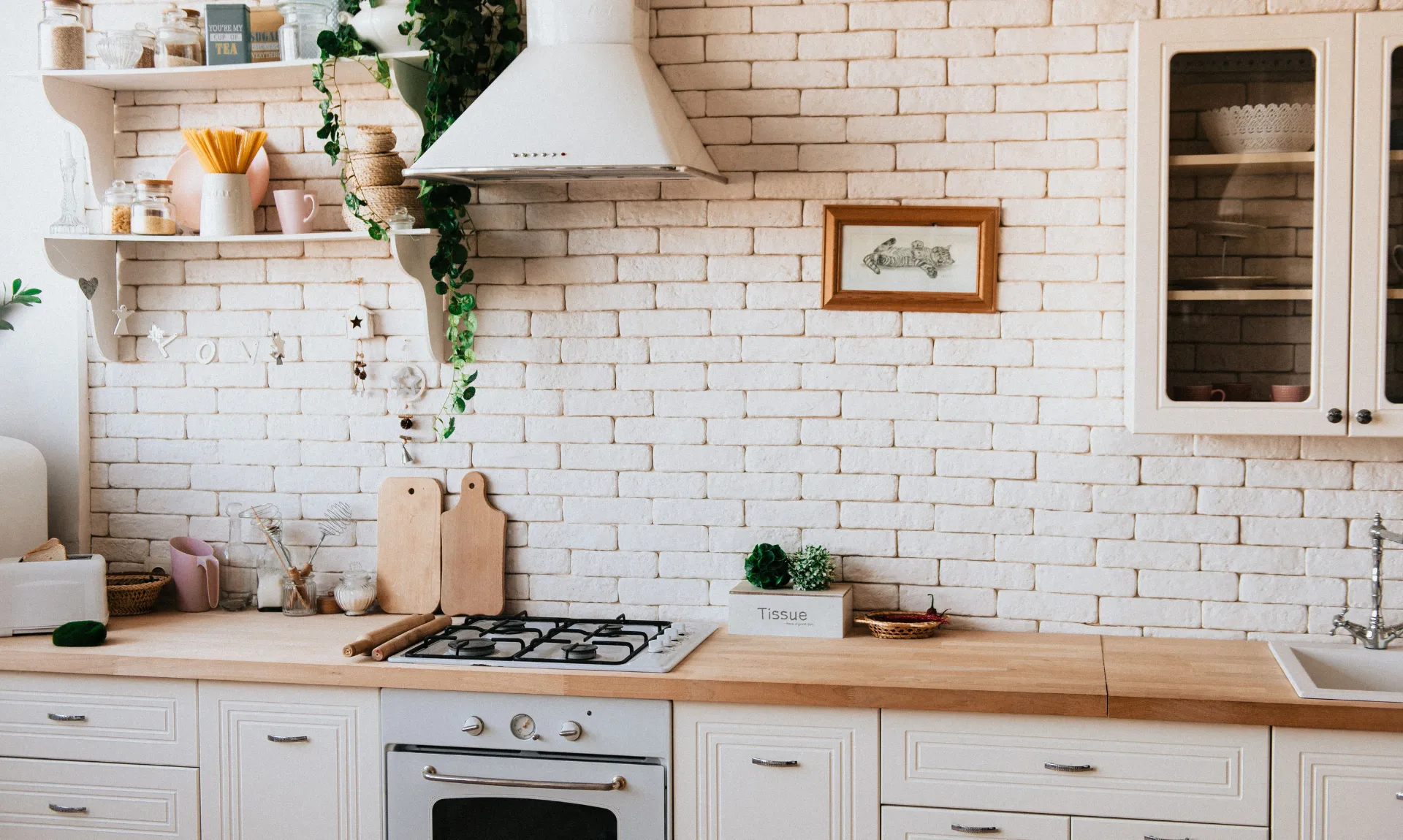
Rule 4: Spend Your Budget on Things You Can't Easily Replace
One of the biggest renovation mistakes isn't buying something expensive. It's buying the wrong expensive thing! I mean…that thing is gonna keep you up at night for years, believe me!
Cabinets, flooring, countertops, and layout should be chosen with longevity in mind because replacing them later usually means another major renovation.
Yes there are places where you can afford to be fun, like decorative lighting, cabinet hardware, kitchen runners, counter stools, etc.
Think of your kitchen like getting dressed. Your cabinets are the classic white shirt. Your lighting and accessories are the jewelry. One should stay timeless. The other can change whenever you feel like refreshing your style.
That's not playing it safe. It's simply designing smarter.
Rule 5: Your Kitchen Doesn't Need Five Statement Pieces
I think this might be the biggest design lesson I learned.
Sometimes we try so hard to make everything special that nothing feels special anymore. You know, there is a dramatic marble island, bold cabinet colors, patterned backsplash, oversized pendants, gold hardware, colorful appliances.
Individually, these things are quite beautiful!
Together? Sometimes exhausting.
A well-designed kitchen knows where to pause. If your countertops have bold movement, let your cabinets stay simple.
If your cabinetry has beautiful wood grain, choose a quieter backsplash. Instead of asking yourself which material is the prettiest, ask which materials make each other look better.
That's how designers create harmony. Not by choosing the most expensive finish, but by choosing finishes that work together.
Rule 6: Lighting Is What Makes a Kitchen Feel Alive
People often think lighting is the finishing touch. Personally, I think it's one of the foundations. You can have gorgeous cabinets and expensive countertops, but if the lighting is harsh or flat, the entire room feels lifeless.
The kitchens I love most almost always use lighting in layers.
Bright task lighting where you're preparing meals.
Soft ambient lighting that makes evenings feel cozy.
Accent lighting that quietly highlights shelves, textures, or architectural details.
Under-cabinet lighting is one of those upgrades that rarely gets attention until you experience it yourself.
Suddenly your countertops glow. Your backsplash has depth. Cooking becomes easier. The room feels warmer without anyone being able to explain exactly why.
Good lighting doesn't draw attention to itself. It simply makes everything else look better.
Rule 7: Your Countertop Shouldn't Steal the Show
I'll admit it, I still stop scrolling when I see a kitchen with dramatic marble. Those bold veins are beautiful, and when they're done well, they can completely transform a space. But after looking at hundreds of kitchens, I started noticing something interesting.
The ones I loved years later weren't necessarily the ones with the boldest countertops. They were the ones where every material felt like it belonged. One comment from Nina Takish really stuck with me:
"Your countertop should support the design, not be the design."
That doesn't mean you have to avoid marble or natural stone. It simply means your countertop shouldn't be fighting for attention. If you've fallen in love with heavily veined marble, pair it with simple cabinetry and understated hardware. If your cabinets already have beautiful wood grain, let that become the star and choose a quieter countertop instead.
Design is a lot like getting dressed. You don't usually wear a sequined jacket, leopard-print trousers, statement earrings, and glittery heels all at once. Great interiors work the same way, they know when to let one element shine while the others quietly support it. When in doubt, remember this: harmony almost always outlasts drama.
Rule 8: The Best Backsplashes Don't Beg for Attention
The backsplash is probably the easiest place to make an expensive mistake. It's tempting to think of it as another opportunity to introduce pattern, texture, or a pop of color. But sometimes, the most timeless choice is also the simplest.
One designer trick I kept seeing again and again was using the same material for both the countertop and backsplash. It creates a seamless look that feels elegant, clean, and surprisingly luxurious without trying too hard.
If you love tile, that's absolutely an option too. Handmade-look ceramic or zellige tiles add beautiful texture without overwhelming the room. What I'd avoid, however, is chasing trends that rely on high contrast, like bright white subway tiles with dark charcoal grout. They make a bold first impression, but they're also one of the quickest ways to date a kitchen.
A backsplash should connect your design, not interrupt it. When you walk into the room, your eye should naturally move through the space instead of stopping abruptly at one busy wall.
Rule 9: Save Your Personality for the Pieces You Can Change
This is probably my favorite lesson from researching timeless kitchens.
Don't spend your creativity on permanent decisions. Spend it on the details. You can choose timeless cabinets, then add character with beautiful brass hardware. Keep your countertops neutral, then style them with handmade ceramic bowls, wooden cutting boards, fresh herbs, or a sculptural vase. Invest in quality lighting, then switch out your kitchen runner when the seasons change.
These smaller updates give your kitchen personality without locking you into a design you'll eventually outgrow. It's also much kinder to your budget.
Replacing cabinet hardware costs a fraction of replacing cabinetry. Swapping pendant lights feels exciting. Changing a runner instantly refreshes the room. Even something as simple as displaying olive oil in a beautiful glass bottle or adding a bowl of lemons can make the space feel intentional.
The expensive parts of your kitchen should provide stability. The décor is where your personality gets to have fun.

Rule 10: A Timeless Kitchen Is Designed to Evolve
One thing I always prefer for kitchen design and decor is the acceptance that it will evolve over time. You cannot freeze your kitchen in time. A timeless kitchen isn't one that never changes. It's one that doesn't need a complete makeover every time trends shift.
Maybe five years from now you'll replace your pendant lights. Maybe you'll update your faucet. Maybe you'll swap brass hardware for brushed nickel or style your open shelves differently.
Those are fun updates.
What you don't want is to feel like your entire kitchen needs tearing apart because every permanent decision was tied to a passing trend. Future-proofing your kitchen isn't boring. It's freeing.
Before You Go….
If there's one thing I've learned while researching timeless kitchen design, it's this:
The kitchens that stay beautiful aren't trying to impress everyone. They're designed to make everyday life feel a little more enjoyable.
They're warm, balanced, and personal. Ironically, that's what makes them memorable. So before you commit to that bold cabinet color or dramatic backsplash you've been seeing everywhere online, pause for a moment. Ask yourself whether you'll still smile every time you walk into the room five or ten years from now.
If the answer is yes, you've probably found the right choice. Because timeless design isn't about following rules, it's about creating a home that continues to feel like yours, long after the trends have moved on.
Continue Reading
If you're planning to refresh your home, here are a few more ideas you might enjoy:
Frequently Asked Questions
What makes a kitchen design timeless?
A timeless kitchen focuses on quality materials, simple cabinetry, balanced finishes, and a layout that prioritizes everyday function over short-lived trends. Instead of relying on bold statements, it creates harmony between every design element.
Which cabinet style is the most timeless?
Flat-front cabinets and minimal shaker cabinets remain two of the most versatile options. They work with modern, transitional, and traditional interiors, making them a smart long-term investment.
What colors never go out of style in a kitchen?
Warm whites, soft greige, taupe, natural wood tones, sage green, and muted earth tones tend to age much better than highly saturated trend colors. These shades also make it easier to update your décor over time.
Is marble still a good choice for a timeless kitchen?
Absolutely. The key is choosing marble with subtle, natural veining and balancing it with simpler finishes elsewhere in the room. If you want something more durable, quartzite offers a similar natural look with excellent performance.
How can I make my kitchen look expensive without remodeling?
Start with the details. Upgrade cabinet hardware, add layered lighting, style your countertops with natural materials like wood and ceramic, introduce a washable kitchen runner, and keep clutter to a minimum. Small changes can have a surprisingly big impact when the overall design feels balanced.