In DIY & Thrift
The Thrift Store Finds That Always Look Expensive at Home
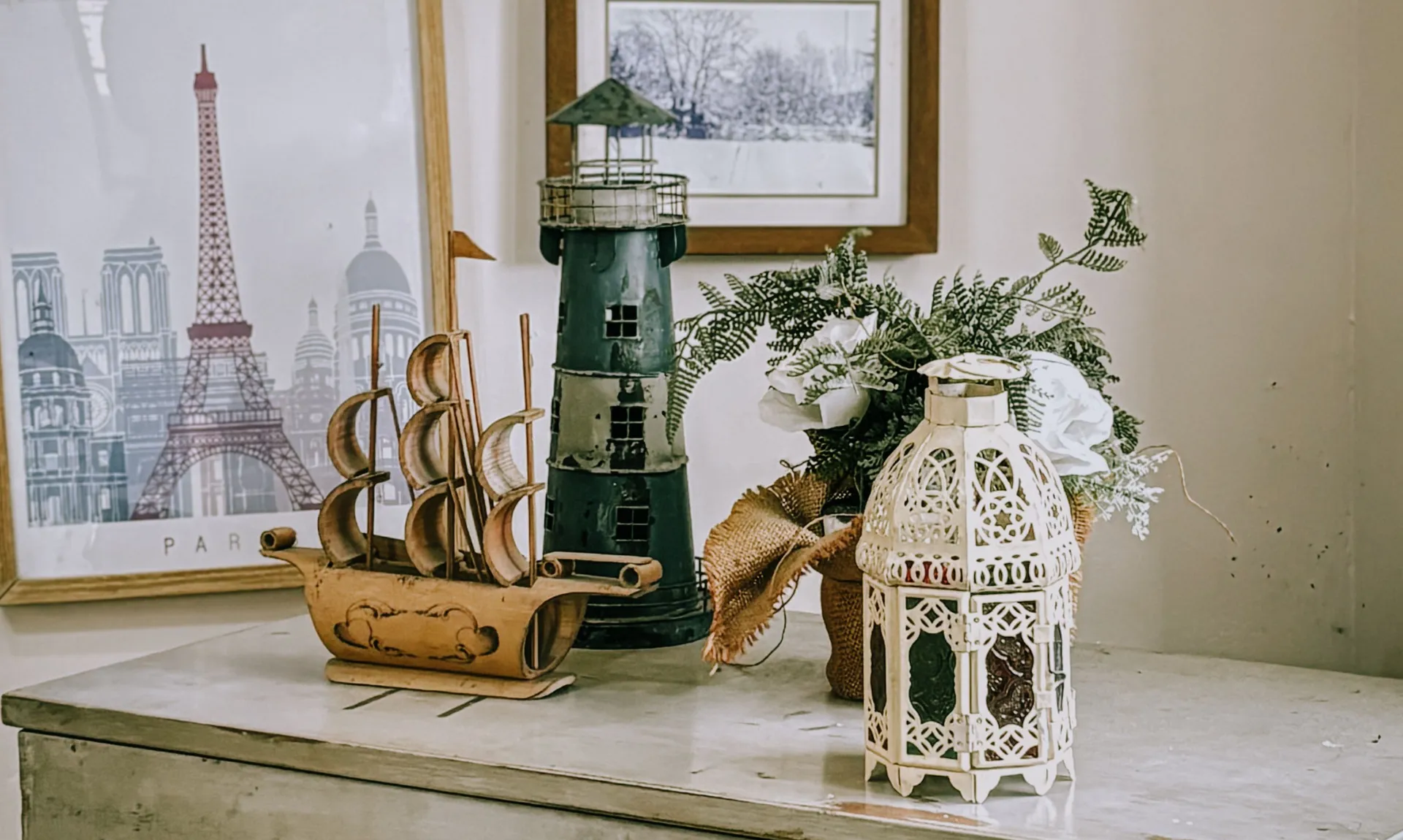
Walk into any thrift store, and you'll probably see someone doing one of two things. They're either scanning the shelves as quickly as possible before deciding there's "nothing good here," or they're slowly wandering the aisles, opening drawers, lifting frames, turning over ceramic bowls, and inspecting every little detail. The funny thing is, the second person almost always leaves with the better finds.
That's because thrift shopping isn't really about luck. It's about learning what deserves a second look. Some of the most beautiful homes don't feel expensive because everything inside is brand new. They feel expensive because they're layered with pieces that have character, history, and just enough uniqueness to make a room feel personal. A weathered wooden side table, a vintage lamp, or a handmade ceramic vase can bring far more warmth than another trendy décor item ordered online.
Of course, not everything at a thrift store is a hidden gem. There are plenty of things that are better left behind. But once you know what to look for, you'll start noticing the pieces that everyone else walks right past.
These are the thrift store finds I think are almost always worth bringing home, not because they're old, but because they have a timeless quality that makes any space feel a little more thoughtful.
Solid Wood Furniture
If there's one aisle I never rush through, it's the furniture section. At first glance, it can feel overwhelming. Some pieces have scratches, others have outdated hardware, and a few have definitely seen better days. But underneath those surface flaws, you can often find something that's incredibly well made.
Older solid wood furniture has a weight to it, literally and figuratively. The craftsmanship is often better than what you'd find in many budget furniture stores today, and that's exactly why these pieces age so gracefully. When you're browsing, look for things like:
Natural wood grain instead of a printed finish.
Drawers that feel sturdy rather than flimsy.
Solid construction without obvious wobbling.
Small scratches instead of major structural damage.
Don't let worn finishes scare you away. A little wood conditioner or furniture polish can completely change how a piece looks. Sometimes all it needs is a gentle clean and a new set of knobs to feel like it belongs in a much more expensive home.
The best part? Solid wood furniture doesn't need to match everything else. In fact, mixing older wooden pieces with newer décor often creates a home that feels collected instead of copied.
Mirrors That Do More Than Reflect
I've always thought mirrors are one of the easiest ways to make a room feel brighter without changing anything else. They're also one of my favorite things to thrift.
There's something satisfying about finding a mirror leaning quietly behind a stack of old artwork. It might look a little forgotten, but after a good clean, it suddenly becomes the piece that catches everyone's attention.
Instead of focusing on whether the mirror itself is trendy, pay attention to the frame. Wood, brass, black metal, or even slightly ornate designs tend to age beautifully and work with a surprising range of decorating styles. A great frame adds texture to a room before the mirror even starts reflecting light. If you find one you love, try placing it where it can:
Reflect natural sunlight.
Brighten a darker corner.
Make a smaller room feel more open.
Add height above a console or fireplace.
It's amazing how one thrifted mirror can completely change the atmosphere of a space. Sometimes it isn't about filling a wall—it's about making the room feel more alive.
Ceramic Vases and Handmade Pottery
Not every decorative piece has to be the center of attention. Some simply make a room feel calmer. That's why I always slow down when I reach the shelves filled with ceramics. While plenty of them are ordinary, every so often you'll find handmade pottery with subtle textures, soft neutral glazes, or slightly uneven shapes that give it so much more personality than something mass-produced. Those little imperfections are exactly what make handmade pieces feel special.
One ceramic vase on its own is lovely, but grouping a few together creates a display that feels effortless rather than overly styled. Try mixing different heights, finishes, or earthy tones to create a collection that looks like it came together naturally over time. The beauty of pottery is that it doesn't need to be useful to earn its place.
A simple vase sitting on an open shelf, a ceramic bowl on the dining table, or a textured pitcher holding a few branches can quietly add warmth without demanding attention. Sometimes the smallest decorative pieces are the ones that make a home feel the most welcoming.
Lamps With Good Bones
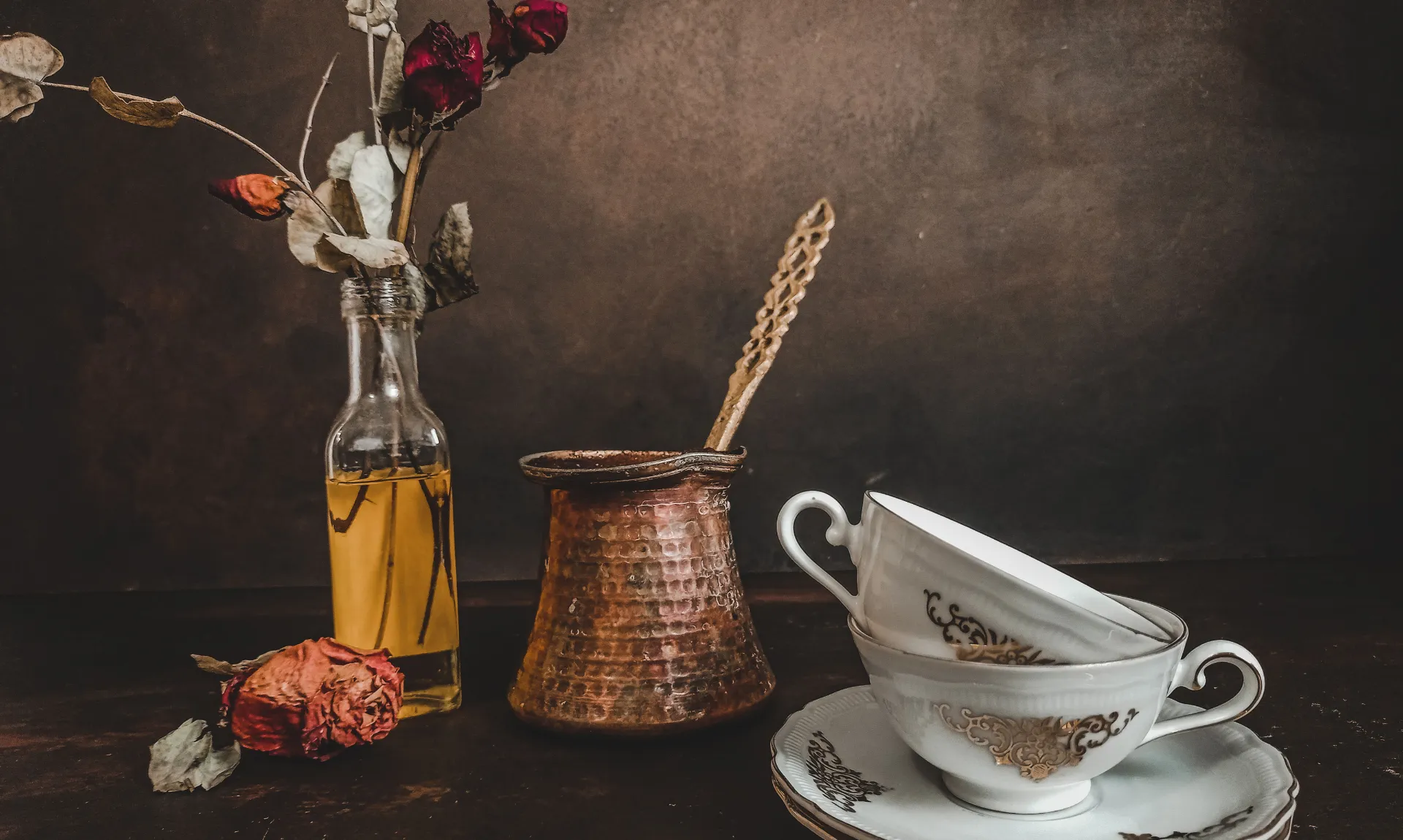
Outdated lampshades have probably caused some incredible lamps to be left behind. It's easy to dismiss an old lamp when the shade looks yellowed or the fabric belongs in another decade. But here's the thing, the shade is usually the easiest part to replace. The base is what deserves your attention.
Whether it's ceramic, brass, wood, marble, or an interesting sculptural shape, a quality lamp base has a way of making a room feel far more polished than its price tag suggests. As you're browsing, imagine the lamp with a clean linen shade or a simple neutral one instead of the shade it's currently wearing. That small change can completely transform the look. A few styles that almost always catch my eye are:
Textured ceramic bases.
Classic brass lamps.
Wooden designs with simple lines.
Stone or marble-look finishes.
Vintage glass bases with interesting shapes.
Lighting has a huge impact on how a room feels, and a thoughtfully chosen lamp can add character during the day while creating a softer, more inviting atmosphere at night. Sometimes it's the quietest pieces that make the biggest difference.
Picture Frames and Artwork
Picture frames are one of those thrift store finds that don't always look exciting in the moment. They're usually stacked together, hiding one another, and sometimes the artwork inside does them absolutely no favors. But I've learned not to judge them too quickly.
A solid wood frame, a vintage gold finish, or even a chunky black frame can completely change the way a wall looks. Sometimes all it takes is replacing the print inside with a family photo, a botanical illustration, or downloadable artwork to make it feel brand new.
Artwork itself is worth slowing down for, too. Original paintings, landscapes, sketches, and even slightly quirky pieces can add personality in a way mass-produced wall décor rarely does. When I'm looking through the art section, I don't worry too much about whether something matches my home perfectly. I ask myself one simple question:
Would I smile if I saw this on my wall every day?
If the answer is yes, it's worth considering. After all, homes that feel interesting usually have pieces that spark a conversation, not just pieces that match the sofa.
Woven Baskets and Wooden Trays
Some thrift store finds don't steal the spotlight, but they quietly make every room work a little better. That's exactly how I feel about woven baskets and wooden trays.
A basket can hold extra blankets in the living room, organize shoes in the entryway, hide children's toys, or even become a planter for a large indoor plant. It's practical, but it also softens a room by introducing texture and natural materials.
Wooden trays do something similar. Instead of leaving candles, remotes, or small decorative objects scattered across a coffee table, a tray gives everything a home. Suddenly, the same items look intentional instead of accidental. Whenever I find one, I picture all the ways it could be used:
Styling a coffee table.
Organizing bathroom essentials.
Displaying candles on a dining table.
Holding oils and spices in the kitchen.
Creating a simple centerpiece for a console table.
They're not the kind of purchase people brag about after a thrift trip, but they're often the pieces that end up being used every single day.
Coffee Table Books and Vintage Books
Books have a wonderful way of making a home feel lived in. A stack of travel books on a coffee table, a collection of old cookbooks in the kitchen, or a few vintage novels on a bookshelf instantly tells visitors something about the people who live there. That's why I almost always browse the book section before leaving a thrift store.
Of course, beautiful covers are a bonus, but I think the best decorating books are the ones you'd actually enjoy reading. A home should reflect your interests, not just the latest decorating trend. You don't need dozens of books to create that feeling, either.
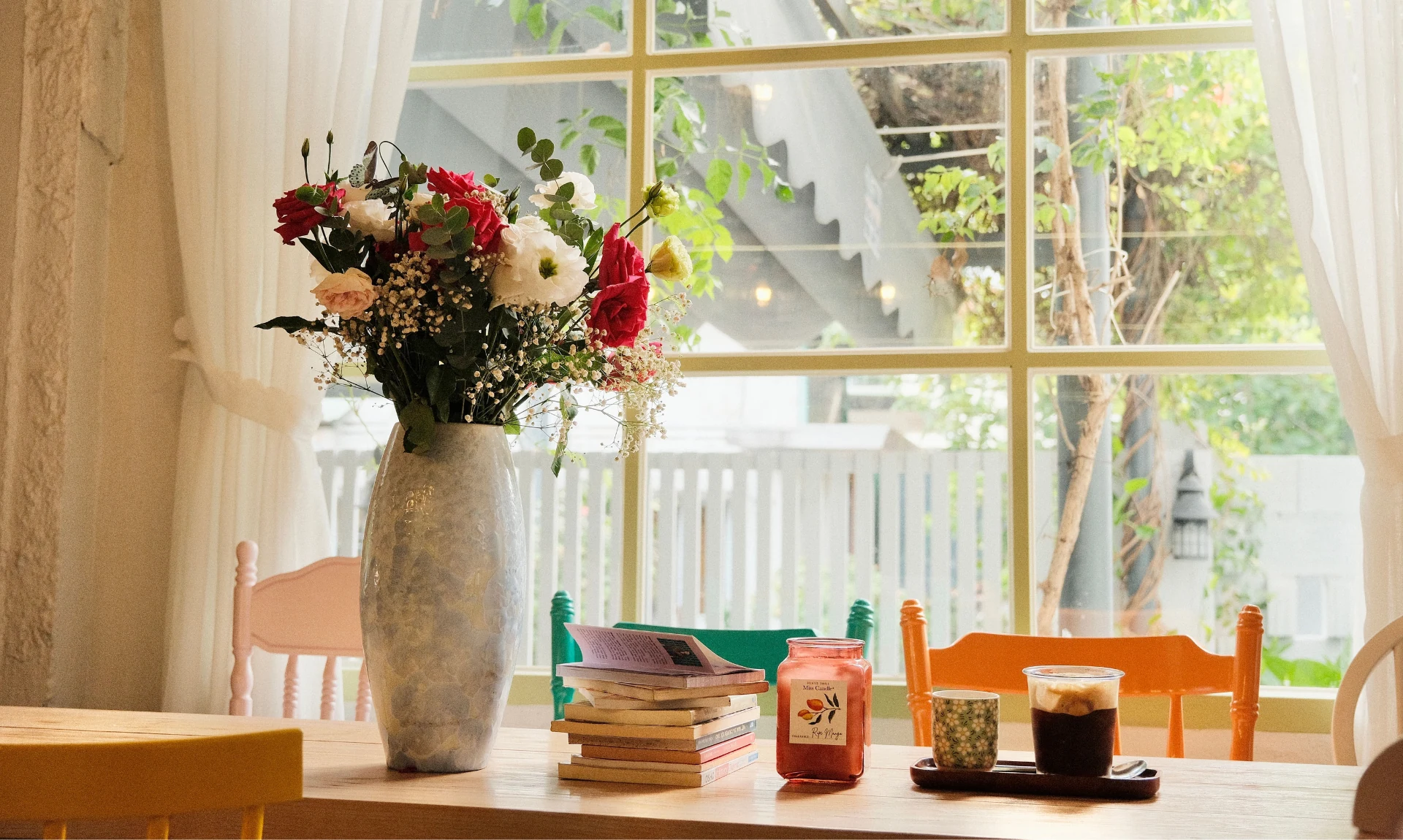
A thoughtfully chosen stack paired with a candle, a ceramic vase, or a small plant often looks far more inviting than shelves filled with decorative objects that don't mean anything. Sometimes the most beautiful décor is something you'll happily pick up on a quiet Sunday afternoon.
Before You Bring It Home
One thing I've learned over the years is that not every bargain deserves a place in your home. It's surprisingly easy to buy something just because it's inexpensive. We've all been there. The better approach is to pause for a moment and imagine the piece in your own space instead of the thrift store aisle. Before I commit to a purchase, I like to ask myself a few questions:
Is it well made, or is it simply cheap?
Can I picture exactly where it will go?
Does it suit my decorating style?
Would I still want it if it weren't such a good deal?
Can I realistically clean or restore it without turning it into another unfinished project?
If I hesitate too long, I usually leave it behind. I've found that decorating on a budget isn't about bringing home more things. It's about bringing home the right things. That small mindset shift has saved me money and prevented plenty of clutter.
The Best Finds Are Rarely the Obvious Ones
One of my favorite things about thrift shopping is that it teaches you to look a little differently. Instead of searching for perfection, you start noticing potential.
A dusty mirror becomes the finishing touch in an entryway. A scratched wooden side table becomes the piece everyone compliments. A handmade ceramic vase finds its place on a shelf you've been styling for months. That's the beauty of decorating with thrifted finds. They don't just fill a room; they give it character.
The homes that feel the most welcoming are rarely built in one shopping trip or ordered from a single store. They're collected slowly, one thoughtful piece at a time, with each item adding a little more personality than the last.
So the next time you step into a thrift store, take your time. Open the drawers. Look behind the stacks. Pick things up. The best finds are rarely sitting front and center. More often than not, they're simply waiting for someone to notice them.
Continue Reading
If you're looking for more budget-friendly decorating inspiration, here are a few more ideas you'll enjoy exploring:
Frequently Asked Questions
What are the best thrift store finds for home décor?
Some of the most worthwhile finds include solid wood furniture, mirrors, ceramic pottery, lamps, picture frames, woven baskets, wooden trays, and books. These pieces are timeless, easy to style, and often much better quality than similarly priced new alternatives.
How can I tell if thrifted furniture is good quality?
Look for solid construction, real wood grain, sturdy drawers, and minimal structural damage. Surface scratches or worn finishes are usually easy to repair, while loose joints or major cracks may require more work than they're worth.
Is thrift shopping really cheaper than buying new?
In many cases, yes. High-quality secondhand pieces often cost a fraction of their original price, making it possible to decorate your home with durable, character-filled items while staying within budget.
What should I avoid buying at a thrift store?
It's generally best to avoid items with strong odors, extensive water damage, mold, or structural problems. For upholstered furniture, inspect carefully for stains, pests, and signs of excessive wear before bringing it home.
How do I make thrifted décor look more expensive?
Start by giving each piece a thorough clean. Replace outdated hardware, update lampshades if needed, polish wood surfaces, and style thrifted finds alongside modern pieces. A thoughtful mix of old and new often creates a home that feels curated rather than cluttered.