In Decor Tips
Layered Lighting Explained: The Secret to a Cozy Apartment
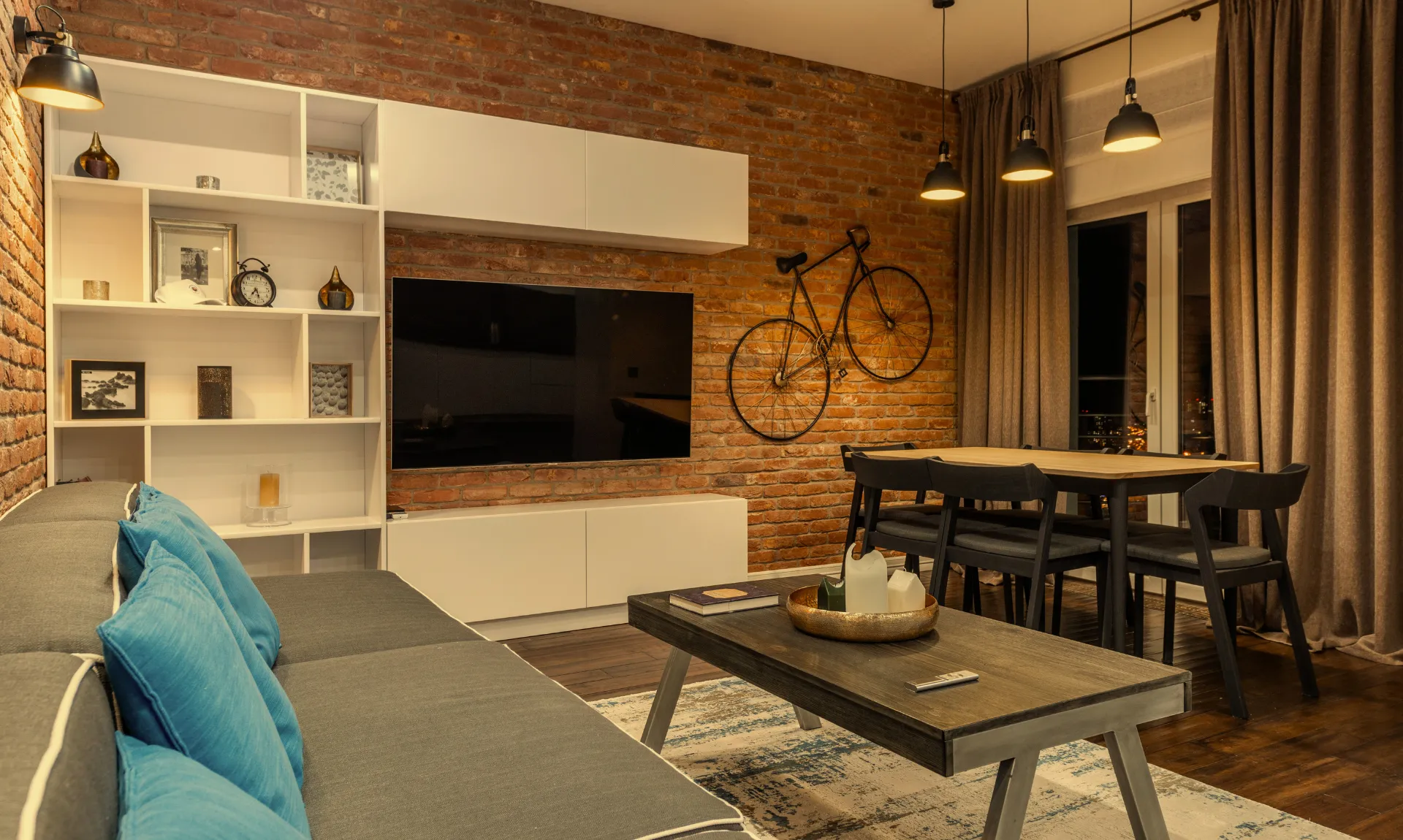
(Some links in this article are affiliate links, which help support MyBudgetSpace at no extra cost to you. As an Amazon Associate, we earn from qualifying purchases.)
Ever noticed how people online love saying, "The big light is banned"? It's become a running joke for a reason. Whether it's TikTok, Instagram, or Reddit, home decor lovers seem to agree on one thing: nothing ruins a cozy evening faster than a single, harsh ceiling light. It might sound dramatic, but they're onto something.
The apartments that make you want to curl up with a book or linger over coffee aren't necessarily filled with expensive furniture or designer decor. They're simply lit differently. Instead of relying on one light source to do all the work, they combine several lights to create warmth, depth, and a relaxed atmosphere. That approach has a name: layered lighting.
Once you understand this simple design principle, you'll start seeing it everywhere, from beautifully styled apartments to your favorite cafés and boutique hotels. Better yet, you'll realize it's surprisingly easy to recreate in your own home, even on a budget. Let's break down exactly how it works and why it makes such a dramatic difference.
What Is Layered Lighting?
Layered lighting simply means combining different types of light throughout a room instead of depending on one overhead fixture. Think about natural daylight for a moment. In the morning, sunlight filters through windows, casts soft shadows, bounces off walls, and highlights different corners of a room. It feels alive because the light comes from multiple directions.
A single ceiling light does the opposite. It pours light from one spot, leaving the room looking flat and sometimes even harsh. Layered lighting recreates the depth and comfort of natural light by combining several sources that each have a different purpose. Interior designers typically use three lighting layers:
Ambient lighting
Task lighting
Accent lighting
When all three work together, even the simplest apartment begins to feel warm, balanced, and welcoming.
Why One Overhead Light Isn't Enough
We've all been there. You flip on the ceiling light, and suddenly every corner of the room is equally bright, but somehow nothing feels inviting. That's because overhead lighting focuses on visibility, not atmosphere.
Imagine trying to enjoy a movie under office lighting or reading a book beneath an extremely bright kitchen fixture. Technically, you can see everything, but the room feels sterile rather than relaxing. Good lighting creates contrast.
Some areas should feel brighter because you're using them. Others should remain softly illuminated to create depth and comfort. Without those variations, even beautifully decorated spaces can feel unfinished.
Budget Space Picks
- Small Table Lamp Set of 2Add a soft, warm glow to your space with this compact LED bedside lamp, perfect for creating a cozy atmosphere in any room.View on Amazon
- Tripod Table LampAdd mid-century charm to your space with this compact tripod table lamp, featuring a warm linen shade and sturdy wooden base.View on Amazon
- Touch Table Lamp for Nightstand, 3 Way DimmableAdd warmth and convenience to your space with this touch-control bedside lamp featuring three brightness levels and a modern, elegant design.View on Amazon
The Three Layers of Lighting Every Apartment Needs
Ambient Lighting: The Foundation
Ambient lighting is your room's primary source of illumination. Its job isn't to impress, it's simply to make the room comfortably usable. Examples include:
Ceiling fixtures
Flush-mount lights
Pendant lights
Recessed lighting
Floor lamps that brighten the overall room
A common mistake is assuming ambient lighting has to be extremely bright. Instead, think of it as creating a soft base layer that allows everything else to shine. If your apartment already has an overhead fixture, you've got your foundation. You simply need to build on it.
Task Lighting: Light Where You Actually Need It
Task lighting focuses on activities rather than entire rooms. Instead of flooding every corner with light, it brightens specific areas where you're doing something. Think about where you naturally spend your time. Maybe you read before bed, cook dinner every evening, or work from your dining table. Those spaces deserve dedicated lighting. Common examples include:
Reading lamps
Desk lamps
Under-cabinet kitchen lighting
Vanity lighting
Bedside lamps
Task lighting reduces eye strain while making your apartment feel more intentional. Instead of one light trying to do everything, each activity gets exactly the amount of illumination it needs.
Accent Lighting: The Personality Layer
This is where apartments start feeling special.
Accent lighting isn't about necessity—it's about atmosphere.
It draws attention to artwork, bookshelves, plants, textured walls, or architectural details while creating visual depth throughout the room.
Examples include:
Wall sconces
Picture lights
LED strips behind shelves
Small table lamps
Uplighting behind large plants
Accent lighting creates those cozy evening vibes that make you want to stay home with a cup of tea and your favorite movie. It's subtle, but it completely changes how a room feels.
How to Layer Lighting in a Small Apartment
Limited square footage doesn't mean limited possibilities. In fact, layered lighting often has an even bigger impact in smaller apartments because every room usually serves multiple purposes. Your living room might also be your office. Your dining table could double as a workspace. Your bedroom might be your reading nook. Instead of adding more furniture, consider adding more light sources. Here's a simple example:
Living Room
Ambient: Ceiling fixture
Task: Floor lamp beside the sofa
Accent: Small lamp on a side table
Bedroom
Ambient: Ceiling light
Task: Bedside lamp
Accent: Soft lighting near artwork or shelves
Kitchen
Ambient: Ceiling light
Task: Under-cabinet lighting
Accent: Small decorative lighting for open shelving
Each layer serves a different purpose, yet together they make the apartment feel thoughtfully designed.If you're looking for more ways to brighten a rental or maximize natural and artificial light, our guide on Apartment Lighting Ideas explores room-by-room inspiration and practical layouts.
Budget Space Picks
- Design Accents Outdoor Floor LampLight up your outdoor space with this solar-powered floor lamp featuring three color temperatures, adjustable height, and a stylish rattan-inspired design.View on Amazon
- Rattan Boho Floor Lamp with Remote ControlElevate your space with this adjustable arc floor lamp featuring stepless dimming, three color temperatures, and interchangeable rattan and linen shades.View on Amazon
- 60" Modern Floor Lamp with Beige ShadeBrighten any room with this modern arc floor lamp featuring three adjustable light colors, a rotating shade, and easy foot-pedal control.View on Amazon
Budget-Friendly Ways to Create Layered Lighting
You don't need a designer budget to achieve this look. In fact, many cozy apartments rely on affordable lighting collected over time rather than expensive matching sets. Here are a few budget-friendly ideas:
Add a table lamp to a neglected corner.
Move an existing lamp into a different room to improve balance.
Use warm white bulbs instead of cool daylight bulbs in living spaces.
Place a floor lamp beside your favorite reading chair.
Add battery-powered lighting to bookshelves or cabinets.
Mix different lamp heights for visual interest.
Sometimes one extra lamp changes an entire room. Sometimes simply switching bulb color makes everything feel warmer. Small adjustments often create surprisingly big results.
Common Layered Lighting Mistakes
Even beautifully decorated apartments can feel "off" because of a few simple lighting mistakes.
Using Only Cool White Bulbs: Cool lighting works well in offices and garages. Living rooms and bedrooms usually feel far more welcoming with warm white lighting.
Putting Every Light on at Once: Not every light needs to be on all the time. During movie night, your accent lighting may be enough. When reading, your task lamp becomes the star. Lighting should adapt to your activities.
Ignoring Dark Corners: A lonely dark corner can make an otherwise balanced room feel incomplete. Even a small lamp can completely transform forgotten spaces.
Matching Every Fixture: Everything doesn't have to come from the same collection. Mixing materials, heights, and styles often creates a more relaxed, lived-in look.
Forgetting Vertical Lighting: If all your lighting sits on the ceiling, your room lacks depth. Spread light across different heights using table lamps, floor lamps, shelves, and wall lighting.
A Simple Lighting Formula Anyone Can Follow
If you're unsure where to start, remember this easy formula:
One room = One ambient light + One task light + One accent light
That's it. Every room doesn't need five lamps or expensive designer fixtures. Just make sure each layer has a purpose. Ask yourself:
How do I light the whole room?
Where do I actually perform activities?
What do I want people to notice first?
Answer those three questions, and your lighting plan almost creates itself.
Lighting Isn't Just About Seeing—It's About Feeling
When people describe a home as cozy, they usually aren't talking about the sofa. They're talking about how the space made them feel. Lighting quietly shapes those emotions.
A softly glowing lamp beside a reading chair invites you to sit down. Warm light washing over a bookshelf makes it feel curated instead of cluttered. A gentle accent light behind a favorite plant turns an ordinary corner into one that catches your eye every time you walk past.
These little moments work together to create comfort without demanding attention. That's the real beauty of layered lighting, it doesn't shout. It simply makes every part of your home feel more intentional.
Bringing It All Together
Now that you know how designers approach lighting, it's easy to see why layered lighting is the secret to a cozy apartment. It isn't about buying the most expensive fixtures or filling every corner with lamps. It's about giving each light a purpose so your home feels balanced, warm, and inviting from the moment you walk through the door.
Start with a solid ambient light, add task lighting where life happens, and finish with a few thoughtful accent lights that bring personality into the space. Even making one or two small changes can completely transform how your apartment looks, and more importantly, how it feels.
The next time you admire a beautifully designed apartment, pay attention to the lighting before anything else. Chances are, it's the carefully layered glow, not the price tag, that made the room unforgettable.
Continue Reading
If you're planning to refresh your apartment one room at a time, these guides are great next reads:
Frequently Asked Questions
What is layered lighting in interior design?
Layered lighting is the combination of ambient, task, and accent lighting to create a balanced, functional, and visually appealing room.
Why is layered lighting important in an apartment?
Apartments often have limited natural light and smaller rooms. Layered lighting adds depth, improves functionality, and makes spaces feel larger and more inviting.
How many lights should a room have?
There isn't a fixed number. A good starting point is one ambient light, one task light, and one accent light, adjusting as needed for the room's size and purpose.
What's the difference between ambient, task, and accent lighting?
Ambient lighting brightens the entire room, task lighting helps with specific activities like reading or cooking, and accent lighting highlights decor while adding atmosphere.
Can I create layered lighting on a budget?
Absolutely. Rearranging existing lamps, using warm bulbs, adding one affordable floor or table lamp, or installing battery-powered lighting can make a noticeable difference without a major investment.